هندسة مرة واحدة، نشر متعدد.
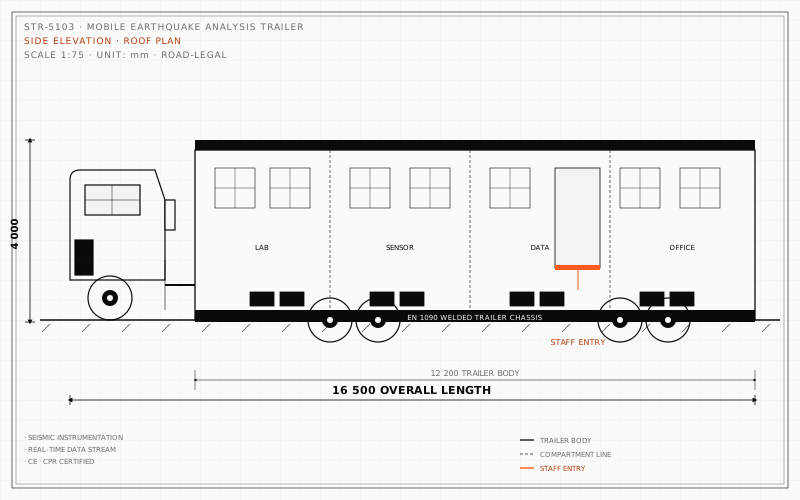
A mobile earthquake analysis trailer is a road-deployable seismic monitoring station configured with vibration-isolated sensor infrastructure, electromagnetic-clean power, data acquisition workspace, and telemetry to remote network operations centres. structmod mobile earthquake analysis trailers serve seismic monitoring services responding to major earthquakes (rapid aftershock monitoring deployment to fault zones), national earthquake monitoring networks needing rapid station densification, induced seismicity monitoring at hydraulic fracturing or geothermal sites, and university seismology departments running field campaigns at active tectonic features.
Standard configurations include vibration-isolated sensor pad infrastructure (typically extending below trailer floor to ground-level concrete pier or stable subsoil through a deployable hatch), three-component broadband seismometer pad, strong-motion accelerometer pad for near-source recording during major events, supplementary geophysical instrument pads (GNSS for crustal deformation, electric/magnetic field sensors where geomagnetic monitoring is included), data acquisition workspace with operator workstations and 24V DC clean-power bus for instrumentation, telemetry equipment for real-time data transmission to network operations centre, and supporting infrastructure (climate-controlled instrument environment, long-life onboard battery, solar charging for autonomous operation).
structmod mobile earthquake analysis trailers deploy rapidly to sites of seismic interest — major earthquake aftershock zones (the 2023 Kahramanmaraş earthquakes drove significant rapid-response seismic deployment), sites of induced seismicity (around hydraulic fracturing operations, geothermal energy extraction, deep water injection wells), volcanic monitoring at active volcanoes, and academic field campaigns at tectonic features (subduction zones, transform faults, rift systems). Lead time is 10-12 weeks from contract signature. Sensor selection per operating service requirements; data telemetry per network operations centre integration.
تسلسل النشر النموذجي
- الساعة 0 — وصول المقطورة على مركبة السحب، التمركز والتثبيت
- الساعة 0–1 — فرد أرجل التثبيت والتحقق من التسوية
- الساعة 1–2 — فرد الجدران الهيدروليكية أو التوسعات حيث مثبتة
- الساعة 2–3 — توصيل المرافق (طاقة، مياه، صرف)
- الساعة 3–4 — الاختبار الوظيفي وفق بروتوكول FAT
- الساعة 4 — التسليم التشغيلي مع تدريب المستخدمين
Spec sheet — STR-3457
| الطول الكلي | 13.7 m · 44.9 ft |
|---|---|
| العرض (أثناء النقل) | 2.55 م |
| العرض (بعد الفرد) | 7.50 m |
| الارتفاع (أثناء النقل) | 2.80 m |
| مساحة الأرضية (بعد الفرد) | 102.8 m² |
| الوزن الفارغ | 10.7 t |
| الهيكل | فولاذ مُدرفل على الساخن EN 10025 S355JR · EN 1090 EXC-2 |
| جودة اللحام | EN ISO 3834-3 |
| الغلاف | لوح ساندويتش، نواة PIR 80 مم · λ ≈ 0.023 واط/(م·كلفن) |
| مقاومة الحريق | EI-30 · مُختبر وفق EN 13501-2 |
| الأرضية | خشب رقائقي بحري على EPDM · تصنيف مقاومة انزلاق R-10 |
| الكهرباء | 400 فولت / 50 هرتز · ثلاثي الطور · مطابق IEC 60364 |
| التكييف والتهوية | VRF متعدد الانقسام · HEPA H13 (طبية) |
| نطاق التشغيل | −25 °م إلى +50 °م (محيط) |
| مقاومة الرياح | مُصمَّم لرياح أساسية 140 كم/س (EN 1991-1-4) |
| النقل | بصمة ISO 668 · مؤهّل للوحة CSC (الإصدارات الحاوية) |
| زمن التجهيز | 4 ساعات · طاقم شخصين |
Full drawings, calculation notes, DoP, O&M manual and FAT report included with every unit. Specs indicative — configurable to project requirements.