هندسة مرة واحدة، نشر متعدد.
A modular drone station is a deployable unmanned aircraft system (UAS) operations base built from prefabricated modules with the ground control station, maintenance and storage bays, mission planning workspace, and launch/recovery infrastructure required for sustained drone operations. structmod modular drone stations serve military intelligence, surveillance and reconnaissance (ISR) units, border security forces operating long-range surveillance UAS, commercial drone services (mapping, inspection, agriculture), and emergency response teams using UAS for situational awareness. The modular construction approach allows the drone station to deploy with the operating unit and redeploy as missions change.
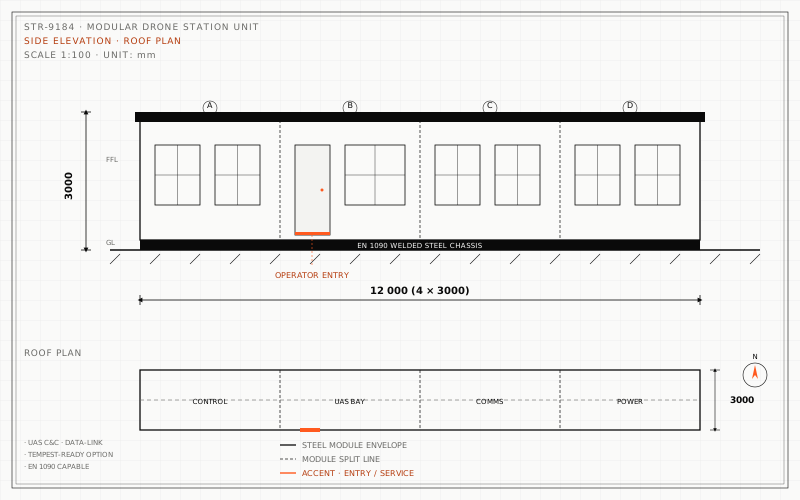
Standard configurations organise the station around the UAS operations workflow: ground control station (GCS) module with operator workstations, mission planning displays, video downlink processing, and command-and-control radios; maintenance bay sized to the operating UAS family with workshop infrastructure, parts storage, and battery charging or fuel storage; mission planning room for pre-flight briefings, route planning, target deconfliction, and post-flight intelligence exploitation; aircrew rest area for sustained operations; secure data processing space for downlinked intelligence products. Launch/recovery infrastructure varies by UAS type — runway access for fixed-wing, vertical takeoff zones for rotary-wing or VTOL platforms, catapult mounting for catapult-launched systems.
structmod modular drone stations serve defence ISR units operating Class I-III UAS, border security forces running long-endurance surveillance, commercial drone service operators establishing field bases, and academic/research institutions running UAS research programmes. Lead time is 10-14 weeks from contract signature for stock configurations, 12-16 weeks for configurations including specialty mission planning capability or classified data handling. Compliance includes IEC 60364-1 commercial electrical (military electrical for defence configurations), aviation infrastructure standards per destination country, and EMI/EMC protection for sensitive command-and-control electronics.
تسلسل النشر النموذجي
- اليوم 1 — التحقق من أساس الموقع، تركيب الأرجل الملولبة أو الأساسات الشريطية
- اليوم 2–3 — رفع الوحدات إلى مواقعها بواسطة رافعة متنقلة
- اليوم 3–4 — توصيل الوحدات وإحكام الغلاف
- اليوم 4–5 — توصيلات MEP، الاختبارات الرطبة
- اليوم 5–6 — التشطيب الداخلي، تركيب التجهيزات والمعدات
- اليوم 7 — التشغيل، تقرير FAT، تدريب المستخدمين والتسليم
Spec sheet — STR-2645
| الطول الكلي | 12.5 m · 41.0 ft |
|---|---|
| العرض (أثناء النقل) | 2.99 م |
| العرض (بعد الفرد) | 2.99 م |
| الارتفاع (أثناء النقل) | 3.20 m |
| مساحة الأرضية (بعد الفرد) | 37.4 m² |
| الوزن الفارغ | 17.5 t |
| الهيكل | فولاذ مُدرفل على الساخن EN 10025 S355JR · EN 1090 EXC-2 |
| جودة اللحام | EN ISO 3834-3 |
| الغلاف | لوح ساندويتش، نواة PIR 80 مم · λ ≈ 0.023 واط/(م·كلفن) |
| مقاومة الحريق | EI-30 · مُختبر وفق EN 13501-2 |
| الأرضية | خشب رقائقي بحري على EPDM · تصنيف مقاومة انزلاق R-10 |
| الكهرباء | 120/240 فولت · 60 هرتز (مواصفات أمريكية) · مطابق IEC 60364 |
| التكييف والتهوية | وحدة سقفية متكاملة · MERV-13 |
| نطاق التشغيل | −25 °م إلى +50 °م (محيط) |
| مقاومة الرياح | مُصمَّم لرياح أساسية 150 كم/س (EN 1991-1-4) |
| التصميم الزلزالي | وفق EN 1998-1 (يوروكود 8) · فئة مطيلية DCM |
| النقل | بصمة ISO 668 · مؤهّل للوحة CSC (الإصدارات الحاوية) |
| زمن التجهيز | ساعتان · طاقم شخصين |
Full drawings, calculation notes, DoP, O&M manual and FAT report included with every unit. Specs indicative — configurable to project requirements.