هندسة مرة واحدة، نشر متعدد.
A modular military command unit is a deployable headquarters facility built from prefabricated modules with the workspaces, communications infrastructure and operational layout required for tactical command and control. structmod modular military command units serve at battalion, brigade or division level — providing the dedicated tactical operations centre (TOC), command operations centre (COC), or expeditionary headquarters that battlefield commanders need for situational awareness, decision-making and coordination across air, land, sea and cyber domains. The modular construction approach delivers a fully-fitted command facility in 10-14 weeks turnkey, then redeploys to new locations as the operational picture demands.
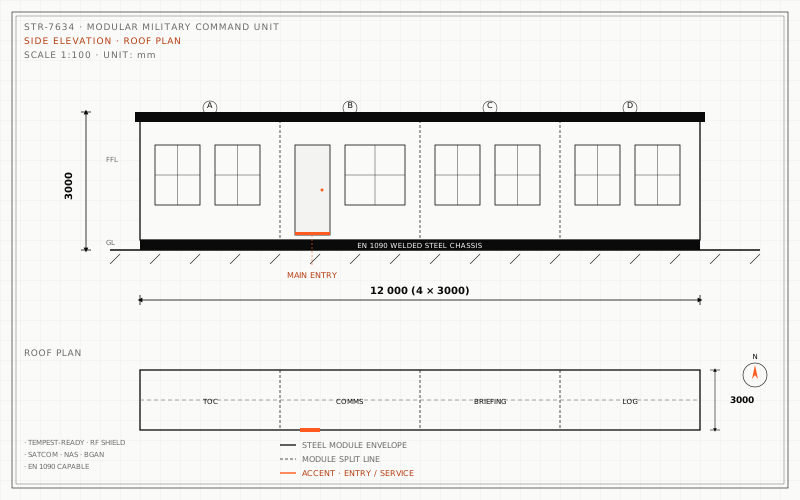
Standard configurations organise the command unit around the operational workflow: situation room with large-format displays for the common operational picture (COP), planning bays with workstations and map walls, briefing room sized for staff updates and command conferences, communications room with radio operator positions and equipment racks, command office for the commander and key staff, secure comms space (ready for cleared classified equipment installation), and supporting workspaces for intelligence, fires, logistics and personnel staff. C4ISR integration includes pre-installed cable trays, dedicated power circuits, EMI/EMC-protected enclosures for sensitive equipment, and grounding/bonding to military electrical standards.
structmod modular military command units serve NATO-aligned defence forces, allied nations operating in coalition environments, UN peacekeeping headquarters, and national defence forces standing up new tactical command capability. The modular approach is increasingly preferred over rigid containerised solutions for scenarios needing more workspace per deployed footprint, more visual line-of-sight for command teams, and more reconfiguration flexibility as operational tempo and unit structure change. NATO CAGE registration, STANAG-compliant interface specifications, and optional CBRN protection per STANAG 4447 support multinational deployment. Lead time is 10-14 weeks from contract signature for stock configurations, 12-16 weeks for security-classified configurations including TEMPEST shielding.
تسلسل النشر النموذجي
- اليوم 1 — التحقق من أساس الموقع، تركيب الأرجل الملولبة أو الأساسات الشريطية
- اليوم 2–3 — رفع الوحدات إلى مواقعها بواسطة رافعة متنقلة
- اليوم 3–4 — توصيل الوحدات وإحكام الغلاف
- اليوم 4–5 — توصيلات MEP، الاختبارات الرطبة
- اليوم 5–6 — التشطيب الداخلي، تركيب التجهيزات والمعدات
- اليوم 7 — التشغيل، تقرير FAT، تدريب المستخدمين والتسليم
Spec sheet — STR-2949
| الطول الكلي | 14.9 m · 48.9 ft |
|---|---|
| العرض (أثناء النقل) | 2.99 م |
| العرض (بعد الفرد) | 2.99 م |
| الارتفاع (أثناء النقل) | 3.00 م |
| مساحة الأرضية (بعد الفرد) | 44.6 m² |
| الوزن الفارغ | 15.9 t |
| الهيكل | فولاذ مُدرفل على الساخن EN 10025 S355JR · EN 1090 EXC-2 |
| جودة اللحام | EN ISO 3834-3 |
| الغلاف | لوح ساندويتش، نواة PIR 80 مم · λ ≈ 0.023 واط/(م·كلفن) |
| مقاومة الحريق | EI-30 · مُختبر وفق EN 13501-2 |
| الأرضية | خشب رقائقي بحري على EPDM · تصنيف مقاومة انزلاق R-10 |
| الكهرباء | 230 فولت / 50 هرتز · TN-S · مطابق IEC 60364 |
| التكييف والتهوية | مضخة حرارية Split Inverter · MERV-8 |
| نطاق التشغيل | −25 °م إلى +50 °م (محيط) |
| مقاومة الرياح | مُصمَّم لرياح أساسية 130 كم/س (EN 1991-1-4) |
| التصميم الزلزالي | وفق EN 1998-1 (يوروكود 8) · فئة مطيلية DCM |
| النقل | بصمة ISO 668 · مؤهّل للوحة CSC (الإصدارات الحاوية) |
| زمن التجهيز | 2–7 أيام في الموقع |
Full drawings, calculation notes, DoP, O&M manual and FAT report included with every unit. Specs indicative — configurable to project requirements.