هندسة مرة واحدة، نشر متعدد.
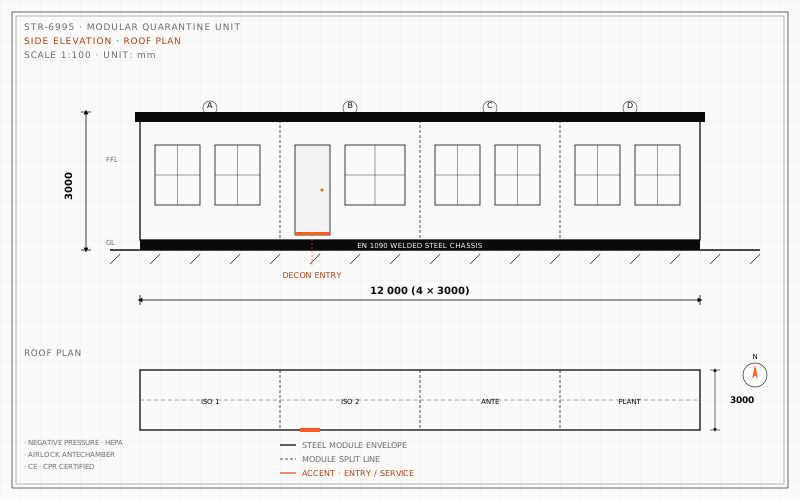
A modular quarantine unit is a permanent biocontainment facility built from prefabricated modules with the negative-pressure isolation rooms, anteroom airlocks, HEPA-filtered exhaust, infection-control workflow and safe patient/staff flow already integrated. structmod modular quarantine units serve hospitals building dedicated infectious disease capability (in response to COVID-19 lessons learned), public health programmes establishing pandemic-ready infrastructure, port and border health authorities running quarantine for international travellers, and humanitarian programmes responding to outbreaks (Ebola, Marburg, novel respiratory viruses). The 12-16 week turnkey delivery is critical for outbreak response when conventional construction cannot match the timeline.
The infection control architecture is the defining engineering feature. Each isolation room operates at -10 Pa to -25 Pa relative to the corridor, with HEPA H13 filtration on the exhaust stream and discharge above building roofline to prevent re-entrainment. Anteroom airlocks between corridor and isolation room buffer the pressure transition and provide PPE donning/doffing space; airflow direction is corridor → anteroom → isolation room → HEPA exhaust, never reversed. Pressure monitoring with audible and visual alarms alerts staff to any pressure deviation. Single-patient configurations with private bathrooms suit individual quarantine; small-cohort configurations (4-6 beds with shared facilities) suit suspected-case observation pending diagnostic confirmation.
structmod modular quarantine units deliver to national public health programmes building outbreak-ready infrastructure (the lesson from COVID-19 was the inadequacy of conventional hospital infection control for novel respiratory pathogens), to hospitals upgrading existing infectious disease capability, to international travel hubs (airports, seaports, border crossings) implementing public health surveillance, and to research institutions running clinical trials for biocontainment-required pathogens. Lead time is 12-16 weeks from contract signature for standard configurations. Compliance includes WHO Infection Prevention and Control standards, ASHRAE 170 ventilation for healthcare facilities, and CDC Isolation Precautions guidance.
تسلسل النشر النموذجي
- اليوم 1 — التحقق من أساس الموقع، تركيب الأرجل الملولبة أو الأساسات الشريطية
- اليوم 2–3 — رفع الوحدات إلى مواقعها بواسطة رافعة متنقلة
- اليوم 3–4 — توصيل الوحدات وإحكام الغلاف
- اليوم 4–5 — توصيلات MEP، الاختبارات الرطبة
- اليوم 5–6 — التشطيب الداخلي، تركيب التجهيزات والمعدات
- اليوم 7 — التشغيل، تقرير FAT، تدريب المستخدمين والتسليم
Spec sheet — STR-2374
| الطول الكلي | 13.4 m · 44.0 ft |
|---|---|
| العرض (أثناء النقل) | 2.99 م |
| العرض (بعد الفرد) | 2.99 م |
| الارتفاع (أثناء النقل) | 3.10 m |
| مساحة الأرضية (بعد الفرد) | 40.1 m² |
| الوزن الفارغ | 16.4 t |
| الهيكل | فولاذ مُدرفل على الساخن EN 10025 S355JR · EN 1090 EXC-2 |
| جودة اللحام | EN ISO 3834-3 |
| الغلاف | لوح ساندويتش، نواة PIR 80 مم · λ ≈ 0.023 واط/(م·كلفن) |
| مقاومة الحريق | EI-30 · مُختبر وفق EN 13501-2 |
| الأرضية | خشب رقائقي بحري على EPDM · تصنيف مقاومة انزلاق R-10 |
| الكهرباء | 400 فولت / 50 هرتز · ثلاثي الطور · مطابق IEC 60364 |
| التكييف والتهوية | VRF متعدد الانقسام · HEPA H13 (طبية) |
| نطاق التشغيل | −25 °م إلى +50 °م (محيط) |
| مقاومة الرياح | مُصمَّم لرياح أساسية 140 كم/س (EN 1991-1-4) |
| التصميم الزلزالي | وفق EN 1998-1 (يوروكود 8) · فئة مطيلية DCM |
| النقل | بصمة ISO 668 · مؤهّل للوحة CSC (الإصدارات الحاوية) |
| زمن التجهيز | 2–7 أيام في الموقع |
Full drawings, calculation notes, DoP, O&M manual and FAT report included with every unit. Specs indicative — configurable to project requirements.