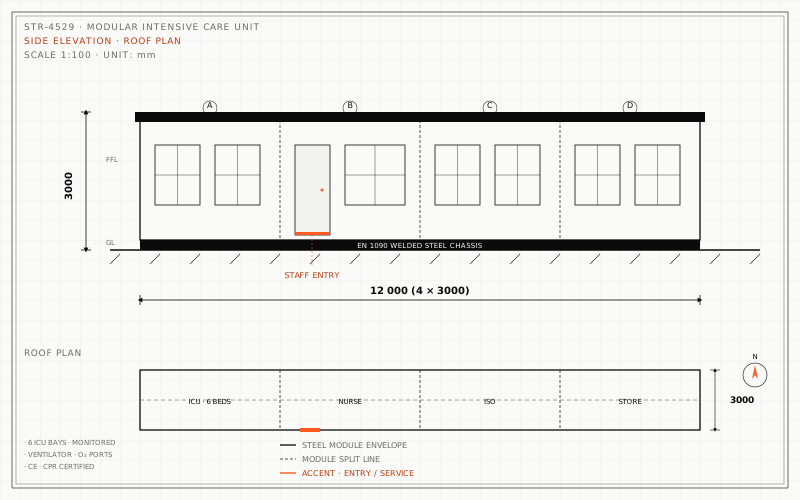
Engineered once, deployable many times.
A modular intensive care unit is a permanent ICU wing assembled from prefabricated modules with the per-bed clinical infrastructure, infection control zoning, monitoring backbone and emergency power systems already integrated. structmod modular intensive care units serve hospitals expanding critical care capacity (a chronic shortage in most healthcare systems), replacing aged ICU infrastructure, building dedicated specialty ICUs (cardiac, neurosurgical, trauma, paediatric), or rapidly establishing infectious-disease ICU capability during epidemic surge. The 12-18 week turnkey delivery is critical when ICU capacity gaps are limiting hospital throughput.
Each ICU bed in the modular unit comes pre-installed with the per-bed clinical infrastructure: prefabricated headwall with medical gas outlets (O2, medical air, vacuum, scavenging), monitoring jacks, communication call point, and emergency electrical outlets; ceiling pendants for IV poles, infusion pumps and equipment hangers; surgical-grade overhead light; multi-parameter monitor with central-station network connection; and ventilator-ready connections. Single-patient rooms with anterooms provide infection-control isolation when required; open-bay configurations with curtain separation suit step-down or general ICU use. The central nurse station provides monitoring overview for all beds in the unit, with direct line-of-sight to bed positions where workflow allows.
structmod modular intensive care units deliver to hospitals worldwide expanding critical care capacity, to specialty hospitals building dedicated ICUs, and to humanitarian programmes establishing high-acuity capability in extended deployments. The COVID-19 pandemic demonstrated the value of rapid-deploy modular ICU — units like the STAAT Mod system delivered ICU rooms within weeks of order. Lead time is 12-18 weeks from contract signature for stock configurations, 16-24 weeks for specialty configurations. Compliance covers IEC 60364-7-710 Group 2 isolated power, infection control per national standards, and medical gas systems per ISO 9170 and EN 7396-1.
Secuencia de despliegue típica
- Día 1 — cimentación del emplazamiento verificada, gatos de tornillo o zapatas corridas colocados
- Días 2–3 — módulos elevados a posición con grúa móvil
- Días 3–4 — conexiones entre módulos y sellado de envolvente
- Días 4–5 — conexiones MEP, pruebas húmedas
- Días 5–6 — acabados interiores, instalación de accesorios y equipos
- Día 7 — puesta en marcha, informe FAT, formación y entrega
Spec sheet — STR-2731
| Longitud total | 13.1 m · 43.0 ft |
|---|---|
| Anchura (transporte) | 2,99 m |
| Anchura (desplegado) | 2,99 m |
| Altura (transporte) | 2.80 m |
| Superficie (desplegado) | 39.2 m² |
| Peso en seco | 13.1 t |
| Chasis | Acero laminado en caliente EN 10025 S355JR · EN 1090 EXC-2 |
| Calidad de soldadura | EN ISO 3834-3 |
| Envolvente | Panel sándwich, núcleo PIR 80 mm · λ ≈ 0,023 W/(m·K) |
| Resistencia al fuego | EI-30 · ensayado según EN 13501-2 |
| Suelo | Contrachapado marino sobre EPDM · clasificación antideslizante R-10 |
| Instalación eléctrica | 400 V / 50 Hz · trifásico · conforme IEC 60364 |
| Climatización | VRF multi-split · HEPA H13 (médica) |
| Rango de operación | −25 °C a +50 °C ambiente |
| Clasificación de viento | Diseñado para viento básico de 140 km/h (EN 1991-1-4) |
| Diseño sísmico | Según EN 1998-1 (Eurocódigo 8) · clase de ductilidad DCM |
| Transporte | Huella ISO 668 · apto para placa CSC (variantes contenedor) |
| Tiempo de montaje | 3 horas · equipo de 2 personas |
Full drawings, calculation notes, DoP, O&M manual and FAT report included with every unit. Specs indicative — configurable to project requirements.